

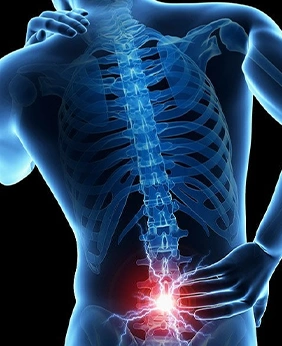
Conditions like herniated discs, spinal stenosis, and degenerative disc disease.
Call Now: 405-601-4227

Our Premier Oklahoma Pain Management Clinic Offers Personalized
Interventional Pain and Medication Management



Board Certified & Fellowship
Trained Pain Management Specialists
We believe in treating the whole person, not just the pain.
At Comprehensive Spine and Pain, we holistically treat our patients, not just their symptoms. If you are living with chronic or persistent pain and past treatments haven’t worked, you’re not alone. Our pain management clinic helps patients reclaim their lives with care that’s effective, respectful, and built for lasting relief.
Led by highly trained pain management doctors, we take a multidisciplinary approach rooted in interventional pain management when treating patients. Our team creates tailored treatment plans using advanced diagnostics and evidence-based procedures rather than defaulting to long-term reliance on prescription medications.
Whether you’ve been injured at work, have been in a car accident, or struggle with long-term pain from a past medical procedure or condition, we’re here to help you move forward comfortably and confidently.
- 100% Satisfaction
- Flexible and Cost-Effective
- Comfortable Atmosphere
- Highly trained Chronic Pain Specialists
- State-of-the-art facilities using the latest technology and advancements.
Locations in Oklahoma City and across Central, Southern, and Western Oklahoma
Our Interventional Pain Management Services
Our Double Board-Certified pain management doctors are on the cutting edge of medical research for pain treatment and prevention.
Chronic Pain
Back Pain Treatment
Arthritis
Inflammation of the joints, including osteoarthritis and rheumatoid arthritis.
Nerve Pain
Resulting from nerve irritation or damage caused by conditions and injuries, including diabetes, shingles, and HIV, or from physical trauma, infections, or medications.
Our pain management specialists are pioneers in interventional pain management, consistently integrating the latest research into patient care.
Pain Management
Acute Pain
Acute pain is typically short-term and often results from injury, surgery, or a specific medical condition. It serves as a warning signal that something is wrong in the body and usually resolves as the underlying cause heals.
Chronic Pain
Chronic pain persists for longer periods, often beyond the expected time of healing. It can result from various conditions such as arthritis, nerve damage, or spinal disorders. Chronic pain can significantly impact daily activities and mental health.
Neuropathic Pain
Neuropathic pain arises from damage or dysfunction of the nervous system. Conditions like diabetic neuropathy, sciatica, and post-herpetic neuralgia are common causes. This type of pain can be sharp, burning, or shooting in nature
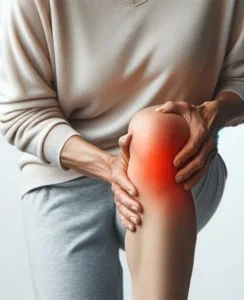
Joint Pain can be caused by a variety of factors, including:
Joint Pain
Osteoarthritis
The most common form of arthritis, osteoarthritis, occurs when the protective cartilage that cushions the ends of your bones wears down over time.
Rheumatoid Arthritis
An autoimmune disorder that causes inflammation in the joints, leading to painful swelling and potential joint deformity.
Bursitis
Inflammation of the bursae, the small sacs of fluid that cushion the bones, tendons, and muscles near your joints.
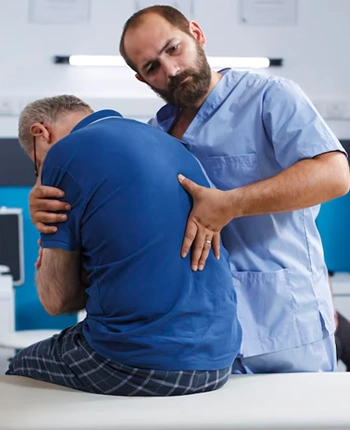
Back pain can be caused by a variety of factors, including:
Back Pain
Muscle Strain
Overuse, lifting heavy objects, or sudden movements can strain the muscles and ligaments in the back.
Herniated or Bulging Discs
Discs act as cushions between the vertebrae. When they become damaged, they can press on nerves, causing pain.
Osteoarthritis
Osteoarthritis can affect the lower back, leading to pain and stiffness.
Automobile accidents can lead to a range of injuries, with spinal injuries being
among the most serious and complex.
Automobile Accidents
Whiplash
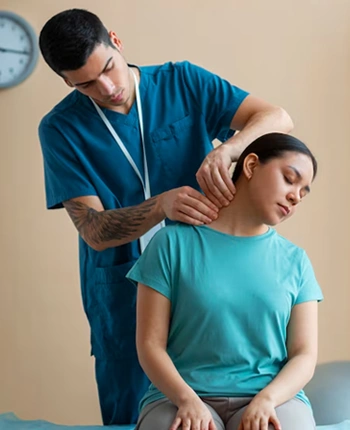
A common result of rear-end collisions, whiplash occurs when the neck is suddenly jolted back and forth, leading to strain and injury of the muscles, ligaments, and tendons in the neck.
Herniated Discs
The impact from an accident can cause the discs in your spine to herniate or rupture, resulting in severe pain, numbness, and weakness in the arms or legs.
Spinal Fractures
High-impact collisions can lead to fractures in the vertebrae, which may require immediate medical attention and possibly surgery.
Our Double Board-Certified physicians lead advancements in pain medicine to effectively manage and prevent chronic lower back pain.
Lower Back Pain
Lumbar Spine
Severe lower back pain can be debilitating, with many possible contributing factors.
Common Conditions
Herniated discs, spinal stenosis, degenerative disc disease, facet joint dysfunction, failed back surgery, and sacroiliac joint issues are all common culprits. Sometimes, the cause is a traumatic injury, while in other cases, it’s the gradual wear and tear of everyday life.
Our Procedures
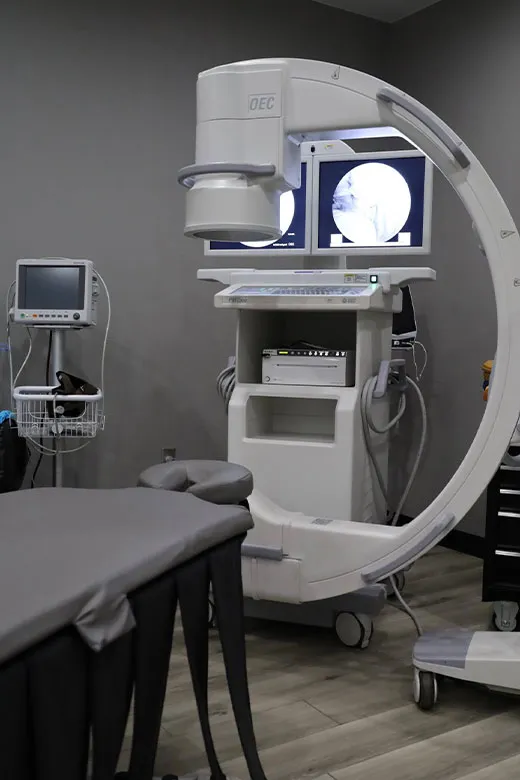
Our pain management specialists use image-guided procedures to deliver targeted relief without major surgery. These techniques are designed to reduce pain at the source, whether it’s caused by inflammation, nerve irritation, or structural issues in the joints or spine.
- Spinal Cord Stimulation involves implanting a device that sends electrical pulses to the spinal cord to mask pain signals before they reach the brain. It is used for chronic nerve pain, including failed back surgery syndrome and complex regional pain syndrome. A trial period precedes permanent implantation to ensure effectiveness.
- Sacroiliac Joint Fusion is used for patients with chronic SI joint pain that has not improved with conservative treatments. The procedure involves placing implants across the SI joint to stabilize it and reduce pain. Our back pain doctor creates a small incision to do this, which often leads to improved mobility and function.
- Intracept Procedure targets chronic low back pain caused by degeneration in the vertebral endplates. It works by ablating the basivertebral nerve, which transmits pain from the spine.
- Kyphoplasty is used to stabilize compression fractures in the spine that are often caused by osteoporosis. The procedure restores vertebral height and relieves pressure with minimal downtime.
Our approach often includes interventional pain management, such as guided injections, radiofrequency ablation, or neuromodulation. These treatments are designed to reduce pain at its source, not simply cover it up. If ongoing pain is interfering with your sleep and daily life,
it’s time to do something about it.
Our chronic pain specialists also offer epidural steroid injections for cervical, thoracic, and lumbar spine issues. These interlaminar or transforaminal treatments reduce inflammation and relieve radiating pain from disc herniations or nerve impingement. Sympathetic nerve blocks, trigger point injections, and intra-articular joint injections are also available to calm overactive nerves and treat localized musculoskeletal and joint pain.
Our Strategies to Manage Pain
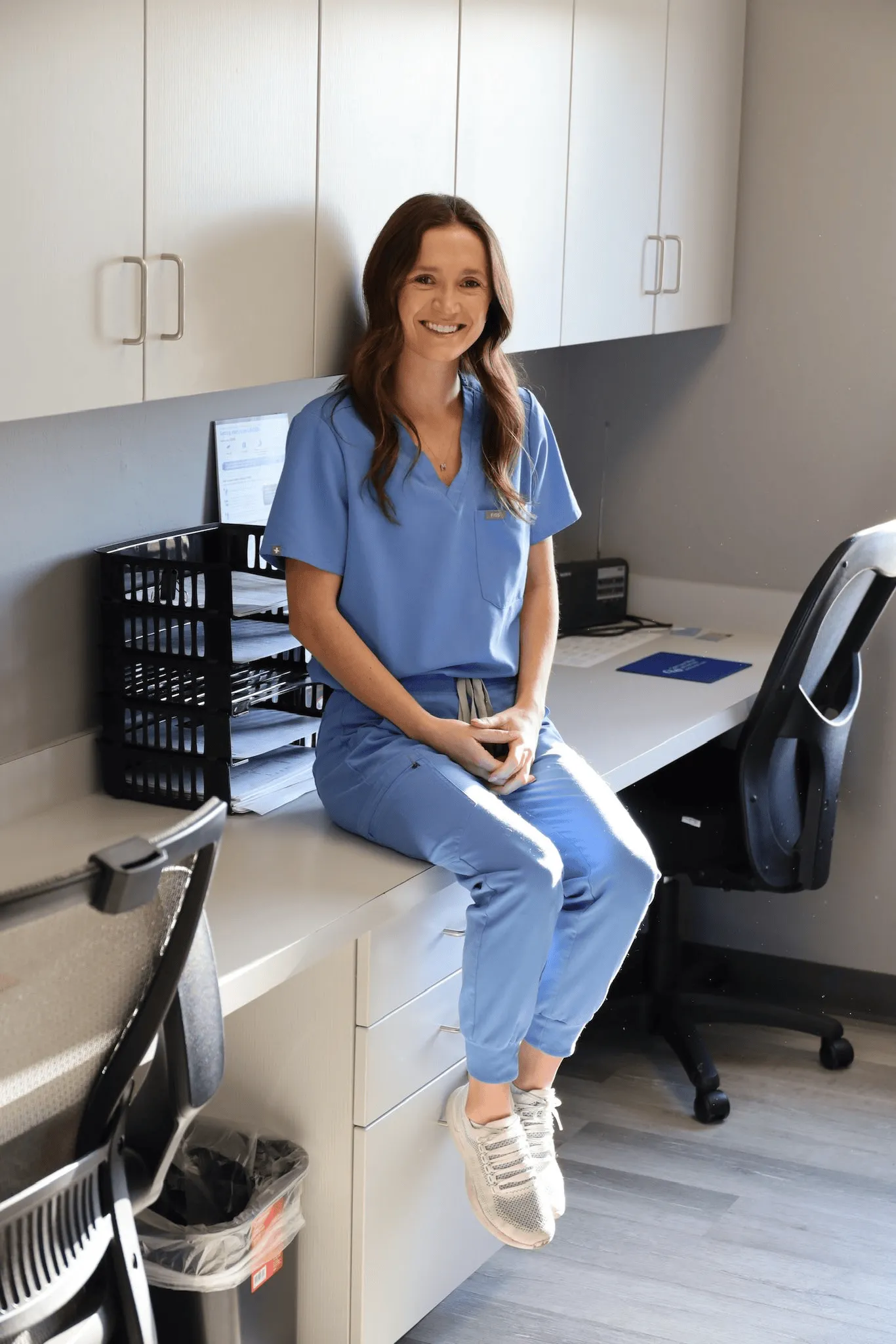
Every patient’s wellness journey is unique. Our pain management clinics are focused on building strategies that not only reduce pain but also improve long-term function and quality of life. Our treatment plans combine multiple approaches that can be customized to meet the needs of our patients.
We start with a thorough evaluation to assess our patients’ needs and how chronic pain affects their movement, sleep, work, and quality of life. From there, we recommend a combination of interventional pain management techniques and non-invasive therapies. These can include physical therapy coordination, lifestyle guidance, and advanced procedures like nerve blocks and joint injections.
When appropriate, we provide medication management, but this is often not our first course of action. Our goal is to minimize reliance on medication by offering targeted, long-term pain relief strategies. We work closely with patients to provide long-term plans to prevent flare-ups and setbacks. Whether your pain is new or chronic, our care team will be there to walk you through what to expect. We can help you take back control of your health and wellness, one step at a time.
Our Team
Brian Blick, M.D
Brian E. Blick, M.D., is the founder and owner of Comprehensive Spine and Pain. He is a triple Board-Certified Anesthesiologist and Interventional Pain Physician (DABA and ABIPP) specializing in interventional pain management. He was raised in Edmond, Oklahoma, most of his life and attended the University of Oklahoma, where he graduated in 2004, earning his Bachelors of Business Administration. (BBA) After earning his degree at the University of Oklahoma, he attended the University of Central Oklahoma and began pursuing his career in medicine, where he earned his Bachelors of Science, majoring in Biology and minoring in Chemistry, and graduated with a second bachelors degree in 2007…
Call Us Today 405-601-4227
Our Experienced Double
Board-Certified Team
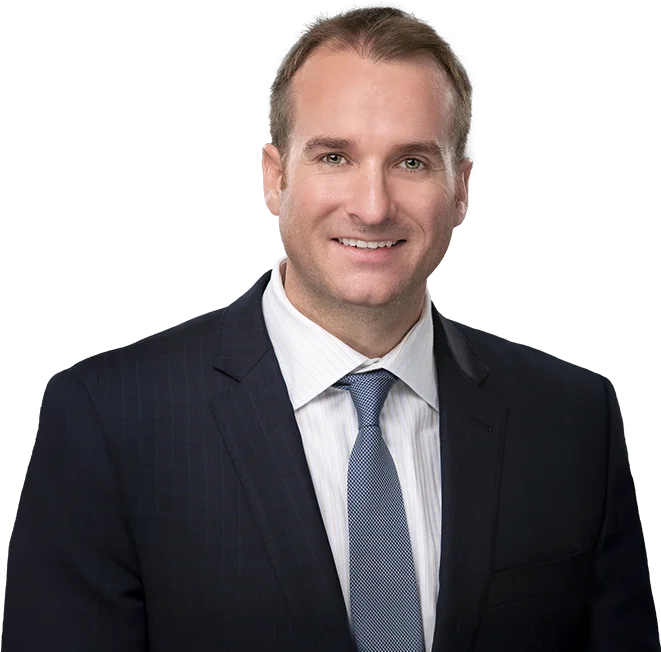
David Sharrah, M.D
Dr. Sharrah is an anesthesiologist and pain management specialist. He is a native of Bartlesville, Oklahoma. He went to medical school at Northwestern University in Chicago, IL, and was trained in anesthesiology at Case Western Reserve University in Cleveland, OH. After his anesthesiology residency, he completed an interventional pain fellowship at the University of Virginia in Charlottesville, VA.
Dr. Sharrah takes a comprehensive approach to pain management to effectively treat his patients. He enjoys interacting with patients and formulating individualized plans to treat chronic pain and restore function.
Call Us Today 405-601-4227
Our Experienced Double
Board-Certified Team
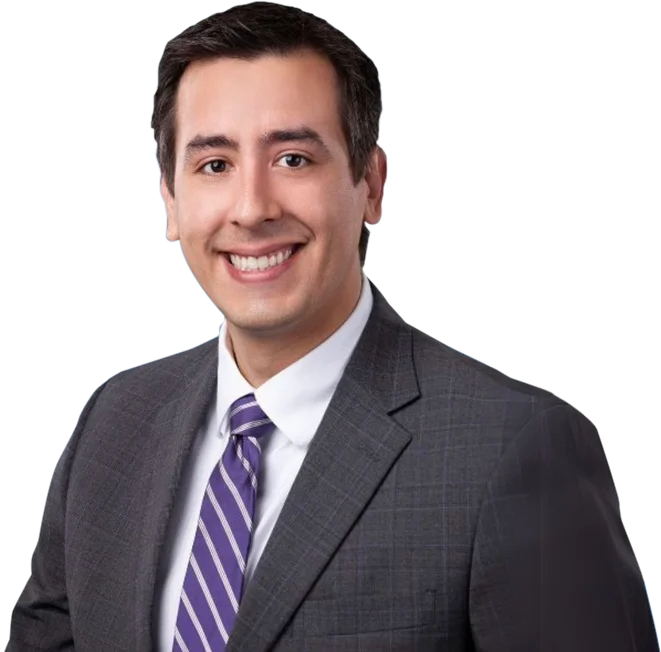
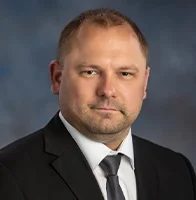
Luke Mosel, D.O
Dr. Mosel was raised on a farm/cattle ranch in rural Nebraska until he joined the United States Marine Corps Infantry. During his service, he completed two deployments to Afghanistan and left the Marines to pursue a career in medicine. He graduated from medical school at Rocky Vista University in Parker, Colorado, and attended Ochsner Louisiana State University Shreveport for both anesthesia residency and interventional pain fellowship. He and his wife both enjoy working on various farm projects and going camping with their three children. Dr. Mosel is an avid outdoorsman and enjoys hunting, fishing, and tinkering with farm equipment/cars in his spare time.
Call Us Today 405-601-4227
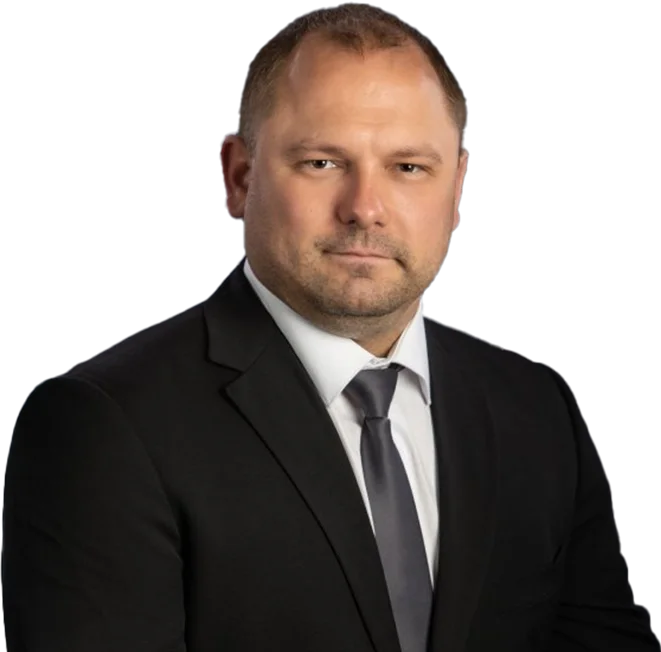
Our Experienced Double
Board-Certified Team
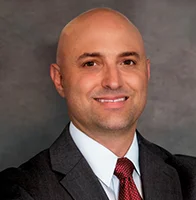
Richard Fair, M.D
Dr. Richard Fair is a board-certified physician specializing in Anesthesiology and Interventional Pain Medicine. He graduated from the University of Oklahoma College of Medicine in 2011 and completed his Anesthesiology residency at the University of Florida in 2015. After 8 years as a respected Anesthesiologist in the OKC area, he decided to transition into Interventional Pain Management, feeling he had more to offer patients with ongoing pain issues as a doctor for chronic pain. He completed his pain fellowship at Louisiana State University.
Call Us Today 405-601-4227
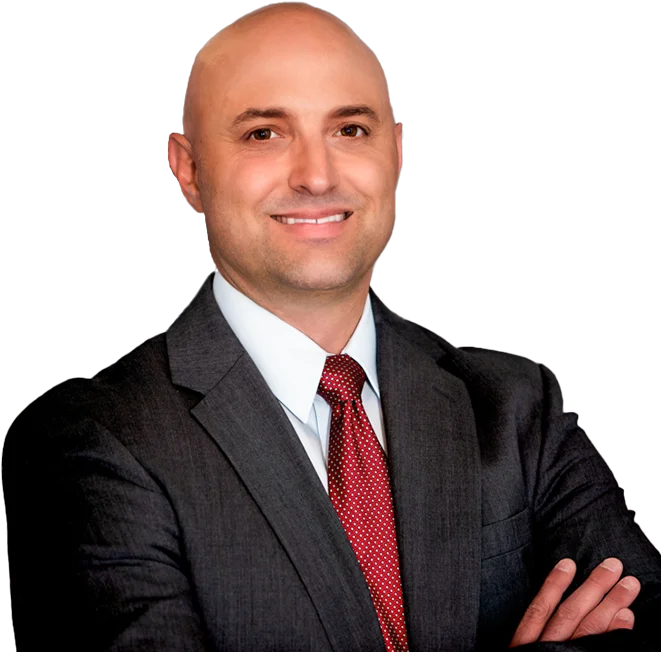
Our Experienced Double
Board-Certified Team
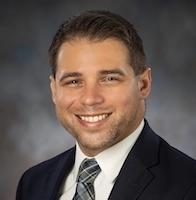
Michael Alvarado, M.D
Dr. Michael Alvarado is a board-certified anesthesiologist and pain management physician. He went to medical school at Ross University School of Medicine, and was trained in anesthesiology at the University of Kansas-Wichita. He went on to complete an interventional pain management fellowship at LSU Health-Shreveport. His focus is on delivering innovative, individualized care to help patients live pain-free. He blends advanced techniques with a personal touch—and when he’s not in the clinic, he’s enjoying time with his family, cheering on his kids at games or catching his favorite teams in action.
Call Us Today 405-601-4227
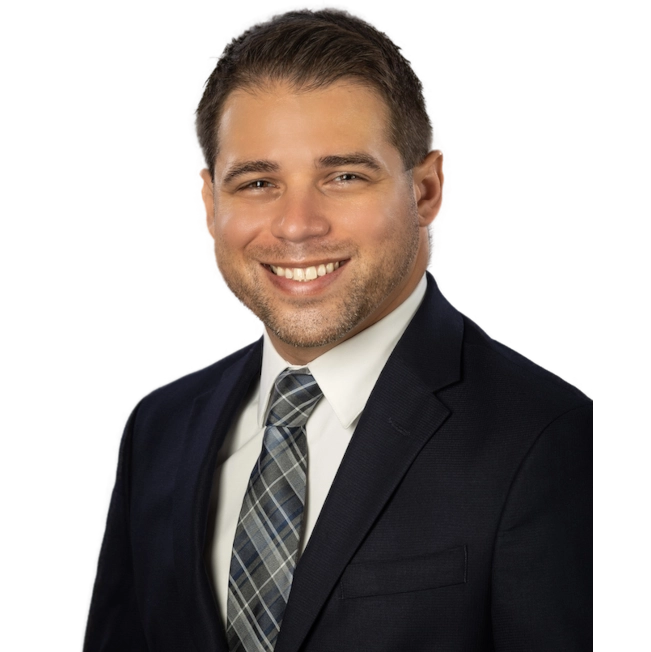
Our Experienced Double
Board-Certified Team
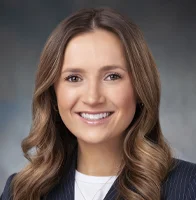
Madeleine Labrie, PA-C
Madeleine is a board-certified Physician Associate specializing in pain management. She grew up in Oklahoma City and earned a Bachelor of Arts in Psychology from the University of Oklahoma in 2018. She then obtained her Master of Science from the University of Oklahoma Health Science Center Physician Associate Program. She holds a national certification through the National Commission for Certification of Physician Assistants and is a member of the American Association of Physician Assistants and the Oklahoma Association of Physician Assistants. She has been working at our pain management clinic since February 2021.
Call Us Today 405-601-4227
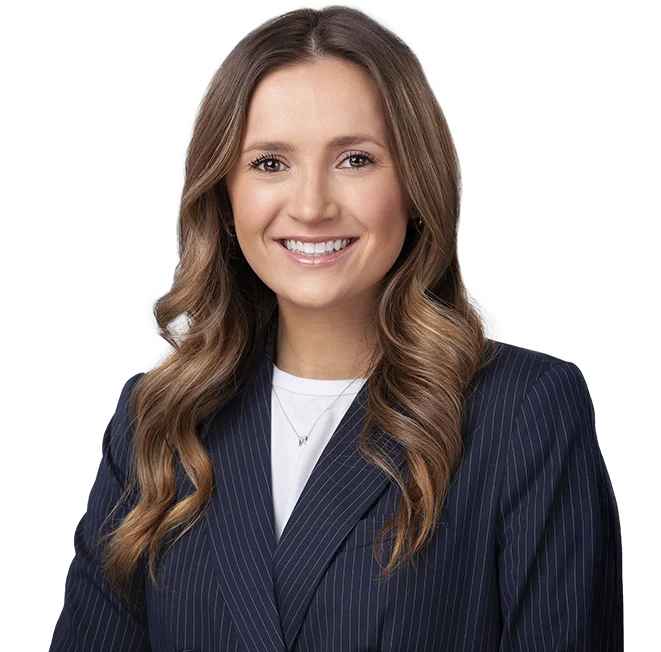
Our Experienced Double
Board-Certified Team
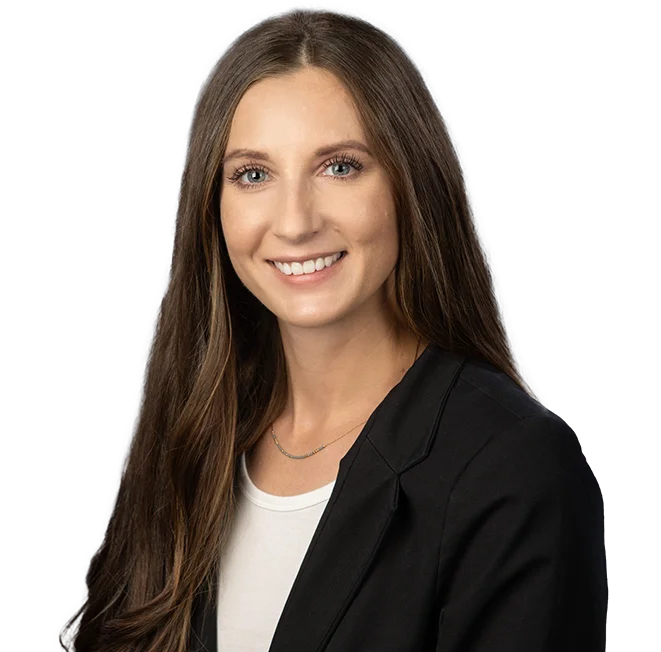
Jessica Kearney, APRN, FNP-C
Born and raised on a small farm in rural Kansas, Jessica’s journey to becoming a nurse practitioner is rooted deeply in her values of hard work, community, and compassionate care. After earning her Bachelor’s in Nursing from Washburn University, Jessica returned to her hometown to serve the community that shaped her by providing cardiac, vascular, and operating room care.
Call Us Today 405-601-4227
Our Experienced Double
Board-Certified Team
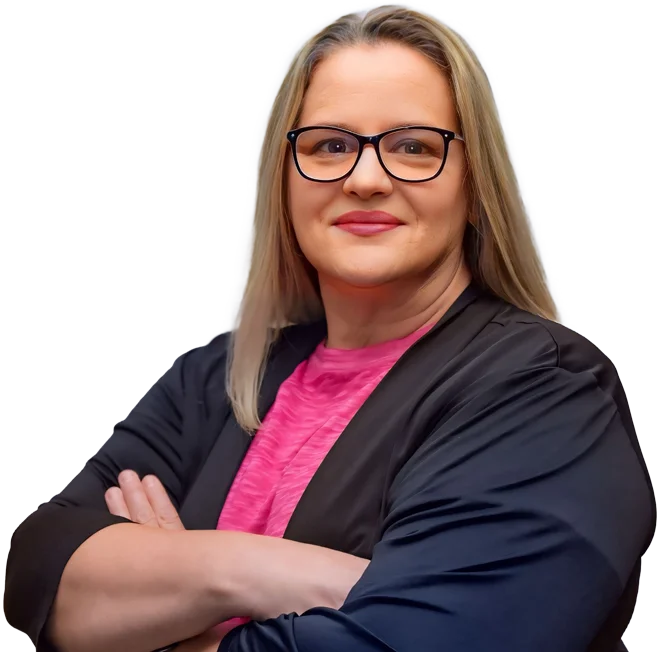
Jessica Kennemer, APRN, FNP-C
Jessica Kennemer started her nursing career after graduating from Redlands Community College in 1993 with an Associate of Science in Nursing. She worked in various nursing positions in Sayre and Elk City before deciding to obtain a Bachelors of Science in Nursing from Southwestern Oklahoma State University in 1998. Jessica then decided to further her career by obtaining a Masters in Science from the University of Oklahoma in 2009 and became a Nurse Practitioner.
Call Us Today 405-601-4227
Our Experienced Double
Board-Certified Team
Client Testimonials

These are the only doctors that have ever taken my pain seriously. I spent 5 years undiagnosed and 9 years in excruciating pain. I didn't want to be alive anymore(im good now so dont worry) None of my previous doctors believed me and refused to even order me an MRI. They thought I was exaggerating because "youre too young to be in that much pain" or they accused me of wanting drugs. One doctor even told me I was just too fat and…
Kayla C.
Comprehensive spine and pain have truly saved my life. I was in constant pain unable to really move or enjoy in quality of life and turned to drugs to cope with the pain in my back, hip and legs. I have now been clean since November 2024. These doctors are all absolutely amazing I couldn't even begin to say how much they have changed my life. The injections have made moving less painful for sure but The last surgery I had was the…
Brandi S.
The staff and physicians are very professional and knowledgeable. They take good care of my husband and all his concerns. We appreciate not having to drive to the city for care. The front office staff are friendly and work with our schedules for follow up appointments. The best thing is they answer their phone and you don’t have to talk to a machine!!
Kimberlynn B.
I have had great results western Oklahoma pain specialist in elk City. They make you feel comfortable and do their jobs very well. I will recommend them.
Bonnie H
This is a new review after another good experience with these guys just yesterday. I have chronic pain disorders and because of the very successful procedure of a nerve stimulator for my left knee, I went back for the same treatment for my right one. Once again I am very pleased with the results. I've never had a bad experience with anyone who works here or any of their other locations. A specific nurse yesterday was very encouraging and helpful when I needed…