Call Now: 405-601-4227

Current Patient And Need To Get In Touch?
Contact Us Here
Call Now: 405-601-4227
Sciatica Treatment
Home » Sciatica Treatment
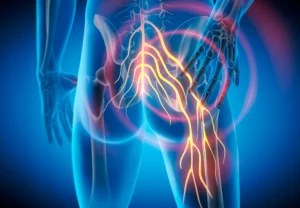
Sciatica is one of the most common and disruptive forms of nerve-related pain, often affecting the lower back, hips, and legs. Patients frequently describe sharp, burning, or electric pain that travels from the lower spine down one leg, sometimes reaching the foot. Sciatica is not a condition itself, but rather a symptom of irritation or compression involving the sciatic nerve. Because the underlying causes vary, treatment must be individualized and based on accurate diagnosis rather than guesswork.
If sciatica pain is limiting your mobility, sleep, or daily comfort, we are here to help. Our team of pain management doctors at Comprehensive Spine and Pain offers both medication management and advanced interventional pain treatments under one roof, so you do not have to navigate multiple providers to get answers. Call (405) 601-4227 to schedule an evaluation and take the next step toward meaningful, lasting relief.
The sciatic nerve is the largest nerve in the body, running from the lower spine through the hips and down each leg. Sciatica occurs when this nerve is compressed, inflamed, or irritated.
Common causes include:
In some cases, muscle-related compression or postural strain may also contribute. Understanding the relationship between the sciatic nerve and its underlying cause is essential for choosing the right course of care.
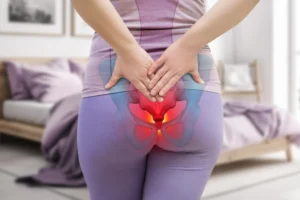 Sciatic pain can present differently from one person to another. Some patients experience constant aching, while others have intermittent sharp pain triggered by movement.
Symptoms may include:
Pain often worsens with sitting, bending, or prolonged inactivity.
Patients often ask, “What is the treatment for sciatica?” The answer depends largely on what is causing the nerve irritation in the first place. Sciatica can result from:
Each cause responds best to a different approach. Because of this, there is no single treatment of sciatica pain that works for everyone or a one-size-fits-all plan.
Effective care begins with a detailed clinical evaluation. This includes:
Identifying whether pain is driven by inflammation, mechanical compression, or nerve sensitivity allows treatment to be targeted rather than generic.
Based on these findings, treatment may include a combination of conservative therapies, medication management, and interventional procedures. Symptom severity, duration, and response to prior care all play a role in determining the most appropriate path forward.
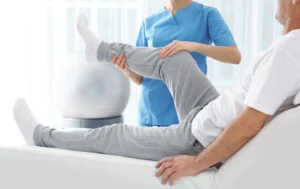 For many patients, early or mild sciatica may respond well to non-surgical treatment. Conservative care focuses on reducing irritation to the sciatic nerve while improving spinal support and movement mechanics. Physical therapy is often a cornerstone of this approach, emphasizing core strengthening, flexibility, and stabilization of the lower back and hips.
In addition to formal therapy, activity modification plays an important role. Learning how to avoid prolonged positions, repetitive strain, or movements that aggravate symptoms can prevent flare-ups and support healing. Posture correction and guided home exercises help reduce stress on the lower spine and improve overall alignment. These strategies are often used alongside other treatments to improve overall outcomes for treating sciatica pain, particularly when symptoms are caught early and addressed consistently.
Medication may be used to help control inflammation, nerve sensitivity, or muscle spasm while other therapies take effect. Anti-inflammatory medications may reduce swelling around the nerve, while nerve-stabilizing medications can help reduce abnormal nerve signaling that contributes to burning or shooting pain. Muscle relaxants may be considered when spasms add to discomfort or limit movement.
At Comprehensive Spine and Pain, our medication decisions are made carefully and always as part of a broader treatment strategy. Dosing and duration are tailored to each patient’s condition, medical history, and response to care. The goal of pain medication management is not long-term reliance, but symptom control that allows patients to remain active, participate in physical therapy, and progress toward more sustainable relief over time.
 When conservative treatments of sciatica pain are not enough to control symptoms, interventional options may provide relief. Image-guided injections are designed to deliver medication directly to the source of nerve irritation, improving accuracy and effectiveness. Epidural steroid injections and selective nerve root blocks are commonly used to reduce inflammation around the affected nerve.
These procedures are often recommended for sciatica and leg pain treatment when imaging confirms nerve compression or inflammation that has not responded to other therapies. By reducing pain and swelling, injections can create a window of relief that allows patients to move more comfortably, resume physical therapy, and avoid further deconditioning. Many patients experience improved function and reduced leg pain, even if injections are not intended as a permanent solution.
For patients with persistent or recurring symptoms, additional interventional procedures may be considered. Radiofrequency ablation may be appropriate when facet joint–related pain is contributing to nerve irritation and ongoing discomfort. This procedure targets specific pain-signaling nerves to provide longer-lasting relief in select cases.
In more complex or chronic situations, advanced therapies such as spinal cord stimulation or intrathecal options may be discussed. These treatments are typically reserved for patients who have not responded to more conservative measures and require a higher level of pain control. Because our physicians perform procedures in-office, patients can receive advanced care without the inconvenience of hospital visits. This setting allows for continuity of care, close monitoring, and timely adjustments to treatment plans based on individual response and goals.
 A common concern we hear is whether sciatica is treatable, especially when pain has lasted for months or years. The answer is yes, but long-term relief often requires addressing the underlying cause rather than merely chasing symptoms.
Many patients achieve significant improvement with a structured treatment plan that evolves over time. Early diagnosis, appropriate intervention, and consistent follow-up all play essential roles in long-term success.
Surgery is not typically the first option for most cases of sciatica. However, in situations involving severe nerve compression, progressive weakness, or loss of bowel or bladder control, surgical evaluation may be necessary.
Pain management physicians often work alongside spine surgeons to help determine whether surgery is appropriate or whether non-surgical treatments remain viable. Even when surgery is recommended, pain management care often continues before and after the procedure.
 A single factor rarely causes sciatica. Muscle tension, joint changes, disc issues, and nerve sensitivity often interact. Treating only one component may provide temporary relief but fail to deliver lasting results.
At Comprehensive Spine and Pain, our four double board-certified pain management physicians take a comprehensive approach to sciatica care. We offer both interventional pain management and medication management under one roof, allowing us to tailor treatment plans without unnecessary referrals.
Long-term relief from sciatica often depends on lifestyle factors such as posture, ergonomics, weight management, and activity habits. Education and guidance are key components of care.
Patients who understand their condition are better equipped to avoid flare-ups and recognize early warning signs. Ongoing support and follow-up help ensure that treatment remains aligned with changing needs and goals.
If sciatica pain is affecting your ability to sit, stand, walk, or sleep comfortably, timely care matters. At Comprehensive Spine and Pain, we take a diagnostic-first approach to identify what is irritating the sciatic nerve and develop a treatment plan that addresses the root cause of your symptoms. With both medication management and advanced interventional pain treatments available in one location, we help patients move forward without unnecessary delays or referrals. Call (405) 601-4227 to schedule an evaluation and learn more about sciatica treatment options tailored to your needs.