
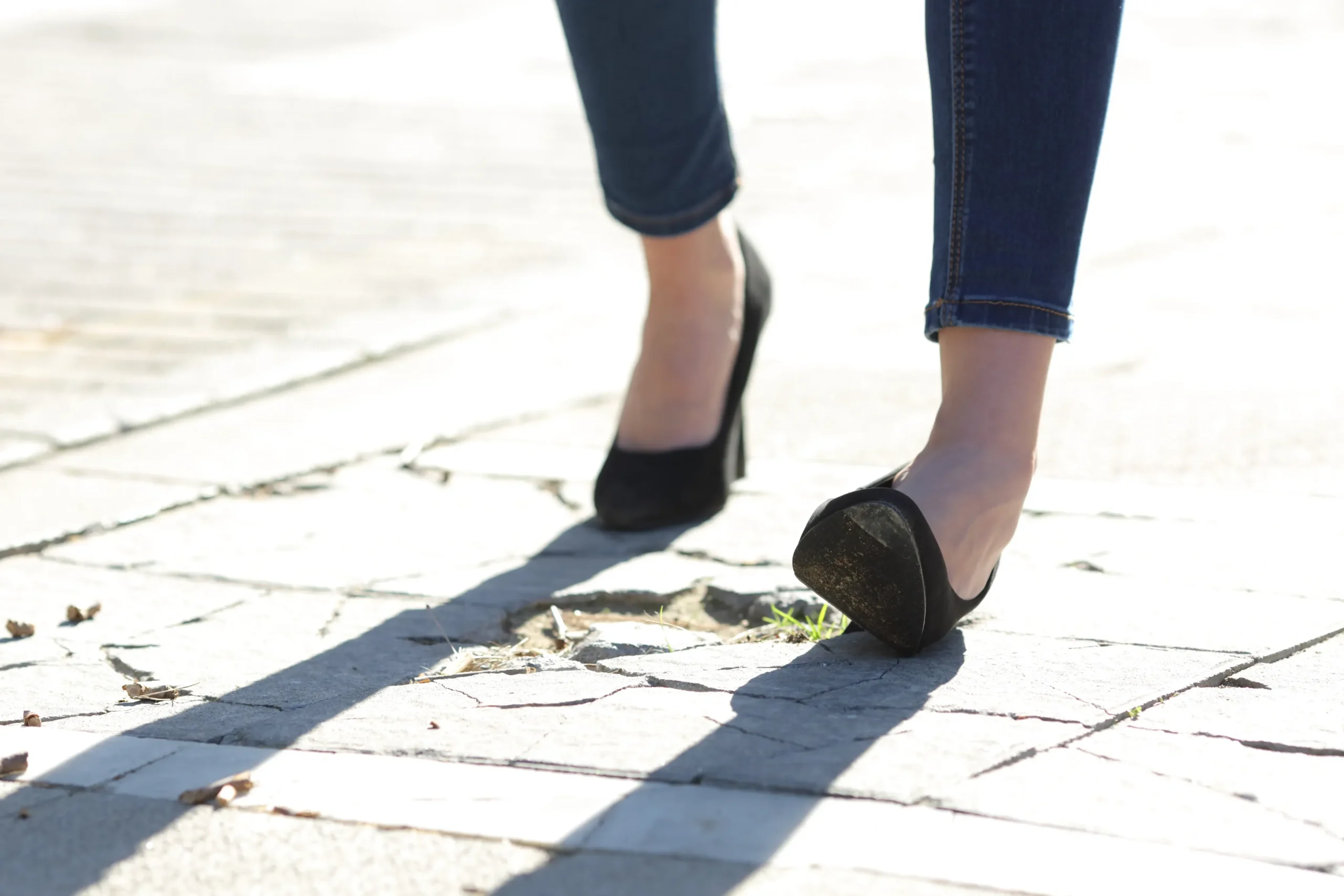
The right gear significantly reduces your risk of foot and ankle injuries, whether you are an athlete, spend long hours on your feet, or are just trying to stay active without getting sidelined. Ankle pain is one of the most common complaints in both athletic and non-athletic populations, and many cases are preventable with the right footwear, support, and awareness.
Choose Footwear Built for Your Activity
Not all shoes protect the ankles equally, and wearing the wrong pair for your activity is one of the fastest ways to end up injured. Running shoes, cross-trainers, hiking boots, and court shoes are each engineered for different movement patterns and surface types.
When selecting footwear for injury prevention, prioritize these features:
- A snug fit through the heel with enough room in the toe box to prevent compression
- Adequate arch support that matches your foot type, whether flat, neutral, or high-arched
- Sufficient ankle height for activities involving lateral movement, uneven terrain, or heavy loads
- A non-slip outsole appropriate for the surface you will be on most of the time
- Replacement every 300 to 500 miles for running shoes, or when visible wear begins to compromise the midsole
Worn-down footwear stops absorbing impact as it should, which transfers force directly to the ankles, knees, and lower back. If you follow any lift blog or strength training resource, you have likely seen recommendations for firm, flat-soled shoes during heavy lifting, specifically because a compressible running shoe reduces stability when load is placed on the bar.
What Gear Helps to Prevent Lateral Ankle Sprain?
A lateral ankle sprain occurs when the foot rolls inward, overstretching or tearing the ligaments on the outer side of the ankle. It is the single most common ankle injury in sports and recreational activity, and it is also one of the most frequently re-injured because people return to activity before the ligaments have fully healed.
Preventive gear for the ankles includes lace-up ankle braces, which limit excessive inversion without fully restricting normal movement. These can assist athletes with a history of lateral ankle sprain, and they are worth considering for anyone returning from a prior injury. Ankle sleeves provide compression and proprioceptive feedback, helping your body sense joint position more accurately and reducing the likelihood of rolling.
Taping is another option, commonly used in athletic training rooms, but it requires proper technique to be effective and loses much of its support after about 20 minutes of activity.
Know the Warning Signs Before They Become Bigger Problems
Gear can only do so much. Paying attention to what your body is telling you is equally important. Pushing through pain in the foot or ankle often turns a minor issue into a more serious one.
Warning signs that require attention rather than rest include:
- Persistent ankle pain that does not improve with rest after 48 to 72 hours
- A red, warm, or swollen ankle with localized warmth and swelling, which can indicate inflammation from a stress reaction, infection, or acute injury
- Fracture blisters, which are fluid-filled blisters that form directly over a fracture site and signal significant soft tissue and bone disruption beneath the skin
- Inability to bear weight after a roll or impact
- Bruising that spreads rapidly beyond the injury site
- A popping sensation at the time of injury, followed by immediate swelling
Fracture blisters in particular are a red flag that should prompt immediate medical evaluation. They are not the same as friction blisters and should never be treated as a minor annoyance.
Orthotics and Heel Lifts: When Extra Support Makes a Difference
Over-the-counter and custom orthotics address biomechanical issues that standard footwear cannot correct on its own. If you are dealing with chronic pain in the heel, arch, or ankle, or if you pronate or supinate significantly during movement, an orthotic can redistribute pressure more evenly and reduce strain on the surrounding ankle structures.
Heel lifts are a more targeted insert used to address leg length discrepancies, Achilles tendon tightness, and certain types of heel pain. They are not appropriate for every situation, and using one without proper assessment can create compensatory issues higher up the kinetic chain. A physician can evaluate your gait and foot mechanics to determine whether an orthotic or lift is the right addition to your footwear.
Still Dealing With Foot or Ankle Pain? Contact a Pain Management Physician at Comprehensive Spine and Pain
If the right gear has not been enough and ankle pain is limiting what you can do, Comprehensive Spine and Pain is here to help. Our four double-board-certified pain management physicians offer advanced in-office care for foot and ankle pain, including peripheral nerve blocks, trigger point injections, and diagnostic nerve blocks, with no hospital visits required.
Call us at (405) 601-4227 or contact us online to schedule your appointment.
Our firm is located near you. Serving Oklahoma City, Oklahoma County, and communities throughout central Oklahoma.
Comprehensive Spine and Pain – Oklahoma City
301 SW 80th St, Suite 101
Oklahoma City, OK 73139
Find us with our GeoCoordinates 35.38828979825202, -97.5176510455269