
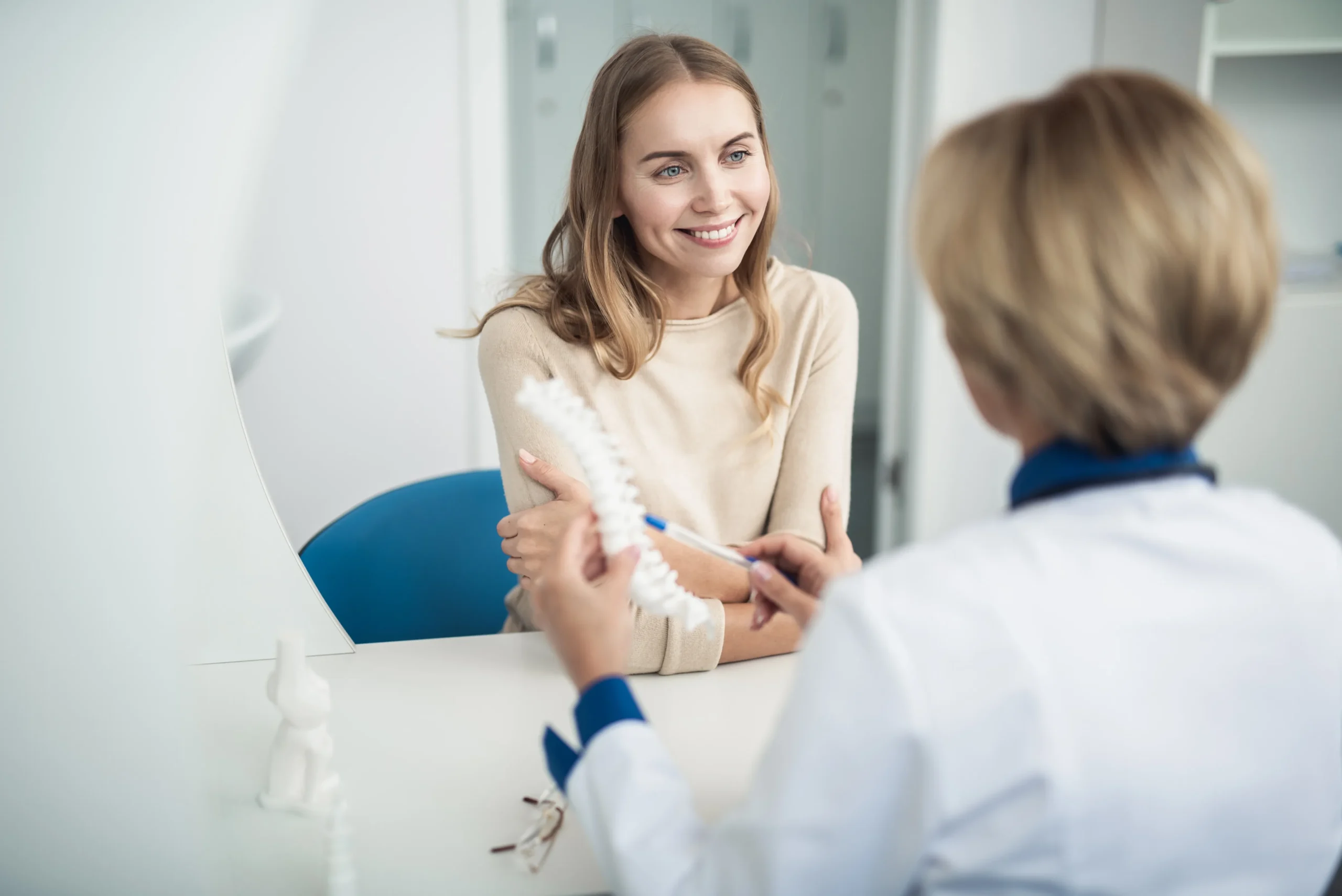
Pain specialists are recommending yoga more frequently because the evidence supports it. For patients dealing with persistent musculoskeletal pain, yoga addresses several contributing factors at once, including muscle tension, poor posture, limited mobility, and the stress response that makes pain feel worse. It is not a replacement for medical treatment, but as part of a broader pain management plan, it has shown real, measurable benefits across a wide range of patients. If your provider has not yet brought it up, it may be worth asking about it.
Is Yoga Good for Chronic Pain?
The short answer is yes, for many people. Is yoga good for chronic pain across all conditions and all patients? Not universally, but the evidence is strong enough that it has moved from fringe suggestion to mainstream clinical recommendation for a number of common pain conditions, particularly those involving the spine, joints, and nervous system.
Yoga works through several mechanisms that are directly relevant to pain. Gentle stretching and movement reduce muscle guarding, which is the protective tightening that develops around painful areas and often creates a cycle of additional stiffness and discomfort.
Controlled breathing activates the parasympathetic nervous system, which dials down the stress-driven amplification of pain signals. Mindfulness components improve the psychological relationship with pain, reducing catastrophizing and improving daily function even when pain is not fully eliminated.
What Types of Yoga Are Best?
For pain management, gentler styles such as Hatha, Yin, and Restorative yoga are generally better starting points than vigorous styles like Vinyasa or Ashtanga. The goal is mobility, relaxation, and body awareness, not cardiovascular intensity.
What the Research Actually Shows
The clinical case for yoga as a pain-relief intervention has grown considerably over the past two decades. One of the most-cited studies examining yoga for chronic low back pain, a randomized trial published in the Annals of Internal Medicine, compared yoga directly with conventional stretching and a self-care book in patients with persistent low back pain.
Yoga participants showed significantly greater improvements in function and were more likely to reduce their pain medication use than those in the self-care group. Results were comparable to those in the stretching group, suggesting that the movement and mobility components of yoga are significant drivers of its benefits.
Additional research has examined whether yoga is good for chronic back pain, specifically in populations dealing with degenerative disc disease, facet joint syndrome, and lumbar radiculopathy. Findings consistently indicate improved flexibility, reduced pain intensity, and higher quality-of-life scores among patients who practice yoga regularly alongside their medical treatment.
Inflammation is a key driver of chronic pain, and some research suggests that regular yoga practice may help regulate inflammatory markers over time, offering a physiological pathway beyond the mechanical benefits of stretching and movement.
Yoga for Chronic Back Pain: What It Targets
Yoga for chronic back pain is most effective when approached as structured therapeutic movement rather than as a fitness class. The postures most relevant to back pain focus on:
- Strengthening the core musculature, which helps support the lumbar spine and reduces the stress placed on spinal discs and facet joints
- Lengthening the hip flexors, hamstrings, and piriformis, which are commonly tight in people with low back pain and contribute to postural stress on the spine
- Improving thoracic mobility, which reduces compensatory strain in the lumbar region
- Training body awareness and alignment, which carries over into how you sit, stand, and move throughout the day
For patients with specific diagnoses such as herniated discs, spinal stenosis, or spondylolisthesis, certain postures need to be avoided or modified. This is one reason why working with a yoga instructor who understands pain conditions and keeping your pain provider informed about your practice matters.
Yoga for Seniors With Chronic Pain
Yoga for seniors with chronic pain presents a few unique considerations, but it is far more accessible than many older adults assume. Chair yoga and gentle restorative yoga styles allow patients with limited mobility, balance concerns, or osteoporosis to participate safely and still gain real benefits.
Balance and Pain Relief Benefits for Older Adults
For older adults, the balance and proprioception components of yoga are particularly valuable alongside pain relief. Falls are a significant concern in this population, and the stability training built into even a gentle yoga practice can reduce fall risk while addressing musculoskeletal pain that limits activity and independence.
Considerations for Seniors With a Diagnosis
Seniors with arthritis, degenerative joint disease, or compression fractures should receive clearance from their physician before starting and should work with instructors experienced in adaptive or therapeutic yoga. Starting slow and prioritizing form over depth of movement is the right approach at any age, but particularly so for older patients managing multiple conditions.
Has Your Physician Recommended Yoga for Stress and Chronic Pain?
If you are asking whether your physician has recommended yoga for stress and chronic pain, and the answer is no, it may simply not have come up yet, rather than being a sign that it is not appropriate for you. Many providers are open to it, but focus their limited appointment time on medication adjustments and procedural options.
Yoga addresses the stress component of chronic pain in ways that medication alone typically does not. The nervous system dysregulation that comes with long-term pain, including heightened sensitivity, poor sleep, and increased anxiety, responds well to the breath and mindfulness elements that are woven into yoga practice.
Patients who add yoga to their treatment plan often report improvements in sleep and mood alongside reductions in pain, which matters because those factors directly influence how pain is experienced day to day.
Contact Our Oklahoma City Chronic Pain Doctors at Comprehensive Spine and Pain
If you are managing back pain, nerve pain, or another chronic condition and want a care team that looks at the full picture, Comprehensive Spine and Pain is here to help. Our four double-board-certified physicians combine interventional procedures and medication management in one practice, and we welcome patients who are actively pursuing complementary approaches, such as yoga, as part of their recovery.
Call us at (405) 601-4227 or contact us online to schedule your appointment.
Our firm is located near you. Serving Oklahoma City, Oklahoma County, and communities throughout central Oklahoma.
Comprehensive Spine and Pain – Oklahoma City
301 SW 80th St, Suite 101
Oklahoma City, OK 73139
Find us with our GeoCoordinates 35.38828979825202, -97.5176510455269