
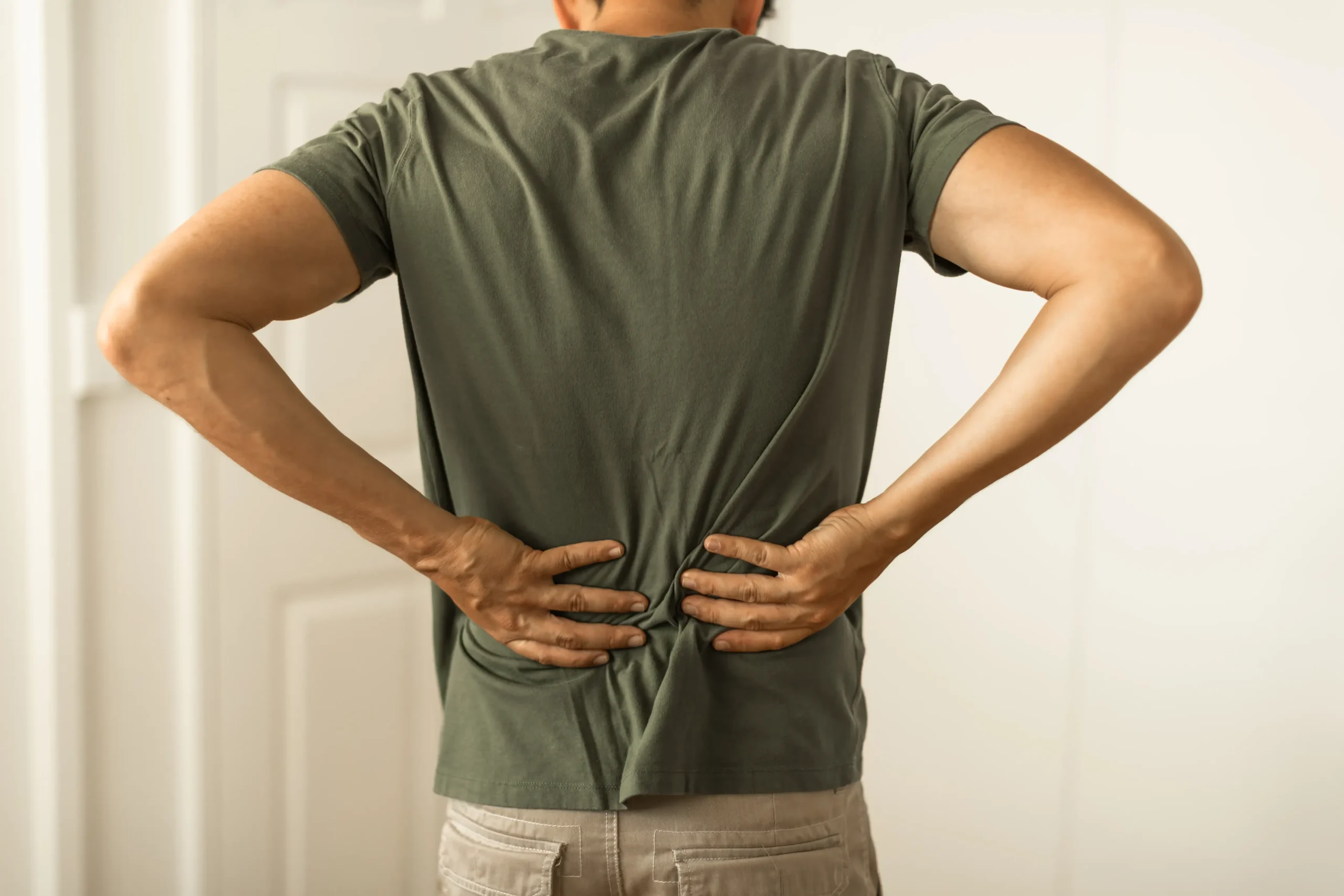
Yes, dehydration can trigger both muscle and joint pain: when your body runs low on water, muscles cramp and tighten while joints lose the lubrication and cushioning that keep them moving smoothly. Rehydrating can ease that ache within hours, though lingering pain usually points to a separate cause worth checking.
How Does Dehydration Affect Your Muscles?
Muscles are made up largely of water, so even mild dehydration can affect how they function and work less efficiently throughout the day, not just during an isolated cramp. Fluid loss can disrupt sodium, potassium, and magnesium levels needed for normal muscle contraction and relaxation, and muscle cramps can be a sign of dehydration. Low fluid levels commonly affect muscles in several ways:
- Cramps and spasms that seize a muscle mid-motion
- Reduced shock absorption that leaves joints exposed
- Fatigue and tightness that shrink your range of motion
- Poor recovery that keeps sore muscles aching longer
Strained, underperforming muscles also pull on nearby tendons and joints, so a hydration gap that starts in your calf can surface as an ache in your knee, hip, or lower back.
How Does Dehydration Affect Your Joints?
Your joints depend on water just as much as your muscles do. The tissues that let them glide are mostly water, so when you run dry, that smooth, protected movement breaks down, and everyday motion can spark joint pain. Fluid loss reaches your joints in several distinct ways:
- Less lubrication as synovial fluid loses volume
- Cartilage stress from bones moving with little cushion
- Stiffness that makes joints feel locked or creaky
- Faster joint degeneration when dehydration becomes a habit
Chronic dehydration works slowly, so the harm is easy to overlook. You may not connect a stiff, sore joint to weeks of under-drinking, yet the two often go together, which is why steady hydration protects your joints long before pain ever sets in.
What Causes Joint Pain Beyond Dehydration?
Water is only part of the picture, and plenty of aches persist no matter how much you drink. Lasting chronic pain usually points to something structural rather than a hydration slip you can reverse overnight. Other common drivers of joint pain include the following:
- Osteoarthritis and age-related cartilage wear
- Rheumatoid arthritis and autoimmune inflammation
- Old injuries, sprains, and overuse from repetitive motion
- Tendinitis, bursitis, and gout flares
Telling these apart matters for the treatment you actually need, since the right fix depends entirely on what is driving the pain. Pain that lingers well after you rehydrate deserves a professional look, not another glass of water.
How Much Water Should You Drink?
Hydration needs differ from person to person, but the U.S. National Academies of Sciences, Engineering, and Medicine recommends about 3.7 liters (125 ounces) of total water daily for men and 2.7 liters (91 ounces) for women. Those amounts include water from all foods and beverages, according to its dietary intake report.
You do not have to hit that mark with plain water alone, since food, coffee, and other drinks all count toward the total. Building a few easy habits into your day makes steady hydration far simpler to keep up:
- Sip water throughout the day instead of gulping it all at once
- Eat water-rich foods like fruit, soup, and vegetables
- Drink extra before, during, and after exercise
- Watch for dark urine as an early sign to catch up
Hydration can help with temporary discomfort, but it cannot repair an underlying injury or condition. When water and rest are not enough, targeted injection therapies may reduce joint inflammation, ease pain, and improve movement as part of a broader treatment plan.
For pain rooted in one specific joint or nerve, more precise options exist. Procedures such as joint and nerve blocks target the exact source and interrupt the pain signals, so your relief lasts well beyond anything water and rest can offer on their own.
Schedule a Consultation for Muscle and Joint Pain Relief At Comprehensive Spine and Pain Today
When muscle and joint pain outlasts your water bottle, it usually signals something hydration alone will not fix. At Comprehensive Spine and Pain, four double board-certified pain management doctors find the source and treat it right in our Oklahoma City office, so you skip the hospital entirely.
Our practice is one of the few pain practices that offers medication management and interventional pain management under one roof, giving you advanced options most practices send elsewhere. Every plan comes from specialists who stay on top of the newest techniques and put your comfort first, from your first visit through your last follow-up.
Call (405) 601-4227 or contact us online to schedule an appointment with our pain management physicians and start real relief from muscle and joint pain.
Comprehensive Spine and Pain – Oklahoma City
301 SW 80th St, Suite 101
Oklahoma City, OK 73139
Find us with our GeoCoordinates 35.38828979825202, -97.5176510455269