Call Now: 405-601-4227

Current Patient And Need To Get In Touch?
Contact Us Here
Call Now: 405-601-4227
Spinal Cord Stimulation
Home » Services & Conditions Treated » Spinal Cord Stimulation
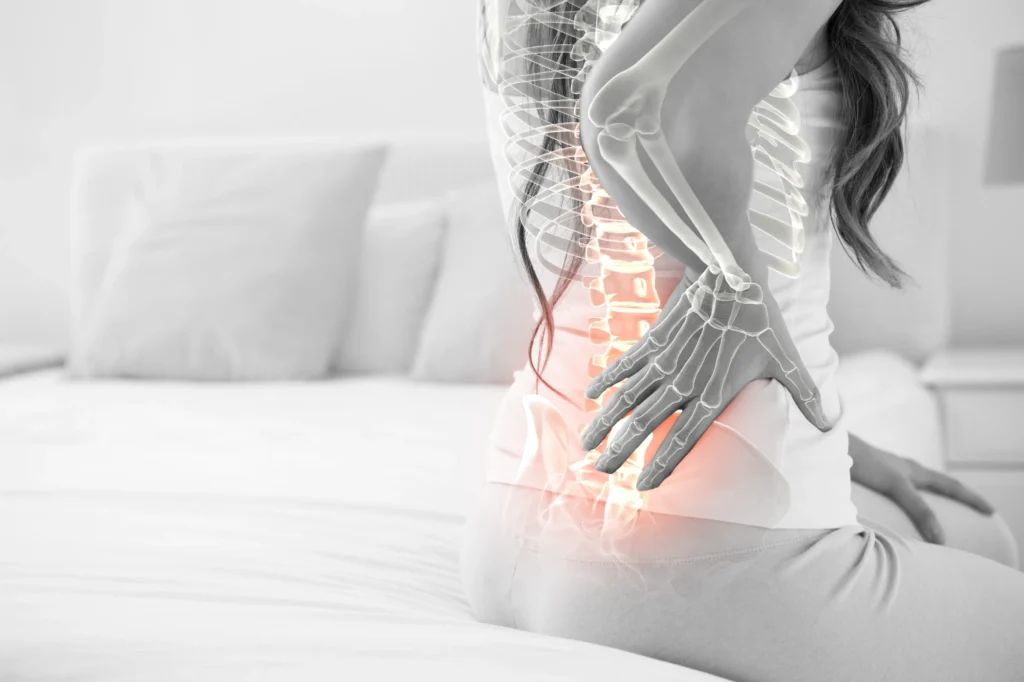 When you have exhausted all other options available to you, you may be concerned that your chronic pain is permanent. That may not be the case, and it’s imperative that you do what you can to ensure your pain is handled, alleviated, and treated. Spinal cord stimulation is primarily used as a last-resort, minimally invasive surgical option for many different kinds of spinal problems. Reach out to Comprehensive Spine and Pain at 405-601-4227 to learn more.
When you are fighting chronic spinal pain from a medical condition or injury and are unsure of the most effective way to treat it, you will want to reach out to a pain management doctor as soon as you can. Our team includes four double board-certified pain management doctors committed to providing exceptional care.
You may not even know why your back is hurting as badly as it is, and a proper diagnosis from a back pain doctor can point you in the right direction regarding treatment. Spinal cord stimulation can treat many different spinal conditions.
Spinal cord stimulation, which is also called neurostimulation or SCS, is a treatment option available largely for individuals who are dealing with chronic back and spinal pain that has been unresponsive to other treatments such as physical therapy, medications, or even surgery.
It is a minimally invasive medical procedure that uses very mild electrical impulses to manage back pain by modifying the way the brain interprets certain pain signals. The procedure involves implanting a device under the skin that sends mild electrical impulses directly to your spinal cord, which reduces or masks pain.
Ultimately, our goal at Comprehensive Spine and Pain is to provide our patients with lasting relief for their conditions, some of which may be difficult to heal but can still be effectively managed. Here are some of the specific conditions that spinal cord stimulation can be used to treat:
The first step in spinal cord stimulation treatment is the trial run. Before surgery, you will have to undergo various lab, imaging, and diagnostic tests to ensure that you are healthy enough to go through with surgery. This initial testing will also rule out any other underlying factors that could show that you’re unfit for this procedure. You will likely need to undergo a physical and psychological evaluation before proceeding with the surgery, and our team is here to assist you.
The first step in the spinal cord stimulation surgery process is a trial procedure. Your neurosurgeon will implant a temporary device that you can test out. During this procedure, you will likely be under a light sedation, though you may receive general anesthesia if necessary. A special x-ray known as a fluoroscopy will allow doctors to see exactly where along your spine they need to implant the device. Because our office is equipped with state-of-the-art procedure rooms, many treatments, including spinal cord stimulator trials, can be performed without a hospital visit.
The test device will be partially under your skin and partially outside your skin. The test will be used to determine whether you require the full surgery or if this version of the stimulator will be sufficient. The test typically lasts anywhere from a few days to a few weeks, depending largely on how your body adapts to the device. Your test will be considered a success if you have at least a 50% reduction in pain levels. If the trial is successful, the full surgery will occur approximately one to two weeks later.
The full surgery will be a little more invasive. You will once again be under general anesthesia. Your doctor will make an incision to insert a permanent device in the same area where the test device was placed. Once the device is placed, they will also implant the pulse generator in a small pocket under your skin.
The surgery is generally a simple one. You will likely be able to go home the same day or the following day at the latest. Your doctor will provide you with the necessary information on how to care for the procedure site, including instructions on changing your bandages and keeping the wound clean and free from infection.
Nobody should have to suffer from chronic back pain. Depending on your condition, you may have exhausted all non-surgical options with no change in your pain level. You may want to consult with your doctor to discuss spinal cord stimulation. It’s a minimally invasive surgical procedure that may help you manage your pain.
We’re one of the only practices in the area to offer both medication management and interventional procedures in one convenient location. Our medical team at Comprehensive Spine and Pain can help you find a way to lower your pain levels. We can help identify the cause of the pain and find a solution that works for you. Give us a call at 405-601-4227 or contact us through our online portal to speak with a member of our experienced team.

These are the only doctors that have ever taken my pain seriously. I spent 5 years undiagnosed and 9 years in excruciating pain. I didn't want to be alive anymore(im good now so dont worry) None of my previous doctors believed me and refused to even order me an MRI. They thought I was exaggerating because "youre too young to be in that much pain" or they accused me of wanting drugs. One doctor even told me I was just too fat and…
Comprehensive spine and pain have truly saved my life. I was in constant pain unable to really move or enjoy in quality of life and turned to drugs to cope with the pain in my back, hip and legs. I have now been clean since November 2024. These doctors are all absolutely amazing I couldn't even begin to say how much they have changed my life. The injections have made moving less painful for sure but The last surgery I had was the…
The staff and physicians are very professional and knowledgeable. They take good care of my husband and all his concerns. We appreciate not having to drive to the city for care. The front office staff are friendly and work with our schedules for follow up appointments. The best thing is they answer their phone and you don’t have to talk to a machine!!
I have had great results western Oklahoma pain specialist in elk City. They make you feel comfortable and do their jobs very well. I will recommend them.
This is a new review after another good experience with these guys just yesterday. I have chronic pain disorders and because of the very successful procedure of a nerve stimulator for my left knee, I went back for the same treatment for my right one. Once again I am very pleased with the results. I've never had a bad experience with anyone who works here or any of their other locations. A specific nurse yesterday was very encouraging and helpful when I needed…

Foam rolling can help relieve upper back and shoulder pain caused by…
Pain pump implant therapy is a long-term treatment option for chronic pain…
Toradol injections are used for short-term relief of moderate to severe pain…