
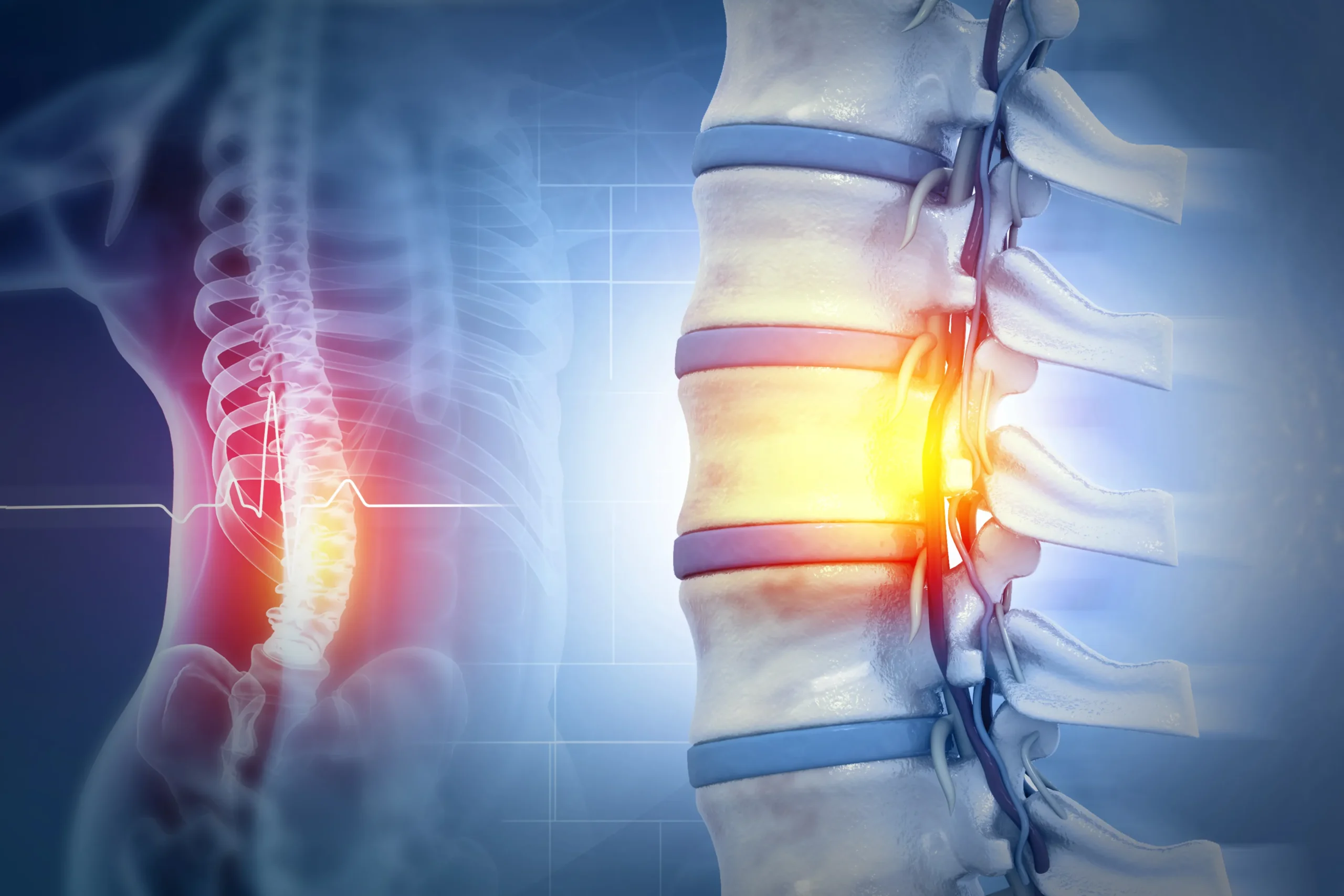
 Pain pump implant therapy is a long-term treatment option for chronic pain that delivers medication directly to the spinal fluid, allowing effective relief with much lower doses than oral medications. It is typically considered when other treatments have not provided sufficient control.
Pain pump implant therapy can reduce chronic pain while limiting whole-body medication exposure, but it requires careful evaluation and ongoing management.
What Is Pain Pump Implant Therapy?
Pain pump implant therapy, also called intrathecal drug delivery, involves placing a small pump under the skin that delivers medication directly into the intrathecal space around the spinal cord. From there, the medication acts on pain receptors at their source rather than circulating throughout the entire body.
The system consists of two main parts: a programmable pump implanted under the skin of the abdomen and a thin catheter that delivers medication to the spine. Because the medication bypasses the digestive system and bloodstream, much smaller doses are needed to achieve pain relief.
How a Pain Pump Works
The pump is programmed to release a precise amount of medication continuously throughout the day. This steady delivery helps maintain consistent pain control and avoids the peaks and crashes often associated with oral pain medications.
Medication refills are performed periodically by inserting a needle through the skin into the pump reservoir during an office visit. The pump can also be adjusted as pain levels change, allowing flexibility over time.
Conditions Commonly Treated With Pain Pumps
Pain pump therapy is generally used for chronic, severe pain that has not responded adequately to conservative treatments. Conditions often considered include:
- Chronic low back pain or failed back surgery syndrome
- Severe nerve pain that has not improved with injections or medication management
- Cancer-related pain requiring ongoing control
- Complex regional pain syndrome
- Advanced spine or joint degeneration causing persistent pain
The goal is not just pain reduction, but improved function and quality of life.
The Trial Phase Before Implantation
Before a permanent pain pump is placed, patients undergo a trial. During this phase, a small amount of medication is delivered into the spinal fluid to evaluate how well the pain responds. This trial helps determine whether the therapy is likely to be effective and tolerable. A successful trial typically shows meaningful pain relief with minimal side effects. If the trial does not provide sufficient benefit, implantation is not recommended.
Benefits of Pain Pump Implant Therapy
Pain pump therapy offers several potential advantages over traditional pain management approaches:
- Lower medication doses compared to oral therapy
- Reduced systemic side effects such as sedation or gastrointestinal irritation
- Consistent pain control throughout the day
- Customizable dosing based on individual needs
- Improved ability to participate in daily activities
Because medication is delivered directly where pain signals are processed, patients often experience relief that was not achievable with other methods.
Medications Used in Pain Pumps
Several medications can be used in pain pumps, depending on the type of pain being treated. These may include opioids, local anesthetics, or other agents that target nerve-related pain. The medication selection is individualized and based on prior response, diagnosis, and safety considerations. Using smaller doses reduces exposure to the rest of the body, which is especially important for patients who have experienced side effects from oral medications.
Risks and Safety Considerations
As with any implanted medical device, pain pump therapy carries risks that must be carefully considered. Potential concerns include infection, catheter issues, medication reactions, or pump malfunction.
Long-term management requires regular follow-up visits to monitor effectiveness, refill medication, and adjust dosing. Careful screening and ongoing oversight are essential to maintaining safety and effectiveness.
Pain pumps are not appropriate for everyone, particularly individuals with untreated infections, certain bleeding disorders, or conditions that interfere with safe implantation.
What Recovery and Daily Life Look Like
After implantation, most patients require a short recovery period before returning to normal activities. Heavy lifting and strenuous activity may be restricted initially to allow proper healing.
Once healed, most patients can resume daily activities with improved pain control. The pump is designed to be discreet, and most people are not aware of it during normal movement or activity.
When Pain Pump Therapy May Not Be the Right Fit
Pain pump therapy is not intended for acute pain or short-term pain conditions. It is also not a first-line treatment and is typically reserved for cases in which other therapies have been explored.
If pain can be managed effectively with less invasive options, those approaches are typically preferred. Pain pump therapy is reserved for situations where the potential benefits outweigh the risks.
Ready to Talk Through Your Pain Relief Options? Call Comprehensive Spine and Pain Today
Pain pump implant therapy offers a powerful option for managing chronic pain when other treatments have fallen short. Delivering medication directly to the spinal cord can provide meaningful relief with fewer systemic side effects. However, it requires the care of a well-qualified physician, careful patient selection, a successful trial, and ongoing follow-up to ensure safety and long-term benefit.
If you are exploring advanced options for chronic pain, Comprehensive Spine and Pain offers in-depth evaluations and individualized treatment planning. Contact us online to discuss whether pain pump implant therapy may be appropriate for you.
Our firm is located near you. Serving Oklahoma City, Oklahoma County, and communities throughout central Oklahoma.
Comprehensive Spine and Pain – Oklahoma City
301 SW 80th St, Suite 101
Oklahoma City, OK 73139
Find us with our GeoCoordinates 35.38828979825202, -97.5176510455269